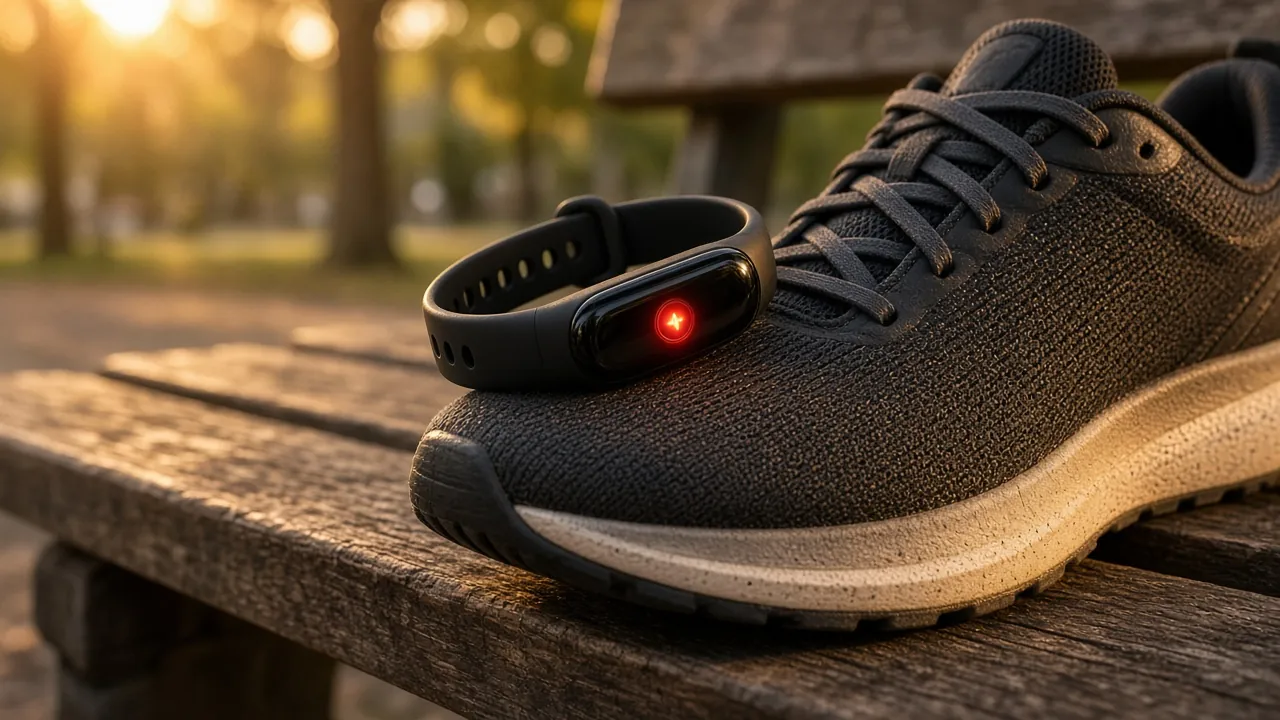
What fitness trackers and smartwatches actually measure, how accurate step counts, heart rate, calories, sleep and blood oxygen readings are, how to get better data, privacy settings, and when to see a doctor rather than trust a gadget.
Fitness trackers and smartwatches can motivate you to move more and sleep better. But their numbers vary in accuracy. Knowing which measurements are reliable helps you use them sensibly.
Steps
Step counting uses an accelerometer. Most modern trackers are reasonably accurate for walking, especially when worn on the wrist of your non-dominant hand. They can miscount during activities like pushing a pram or trolley, cycling, or when your arms move without walking. Use the trend over weeks rather than exact daily figures.
Heart rate
Most wrist trackers use optical sensors that shine light into the skin to detect blood flow. They tend to be fairly accurate at rest and during steady activity, but less so during intense, stop-start exercise or when the strap is loose. A chest strap is generally more accurate for training.
Calories
Calorie estimates are the least reliable measurement. Research comparing several popular wrist devices, including a 2017 Stanford study, found energy expenditure estimates were often well off. Use them as a rough guide, not to decide exactly how much to eat.
Sleep
Trackers estimate sleep from movement and heart rate. They're reasonably good at total sleep time but less accurate at identifying sleep stages compared with clinical sleep studies. Focus on consistent bedtimes and how you feel rather than on stage scores. Obsessing over sleep data can itself make sleep worse for some people.
Blood oxygen (SpO2)
Some watches estimate blood oxygen. These readings are intended for general wellness, not diagnosis. Pulse oximeters, including medical ones, can be less accurate on darker skin, an issue the NHS and regulators have highlighted. If you're unwell or worried, contact a healthcare professional rather than relying on a wearable.
ECG and irregular rhythm alerts
Some smartwatches can record a single-lead ECG or alert you to a possibly irregular heart rhythm, such as atrial fibrillation. These features have been regulated as medical devices in some markets, but they're not a substitute for proper medical assessment. If you get an alert, or have symptoms like palpitations, chest pain or breathlessness, speak to your GP or call NHS 111. In an emergency, call 999.
GPS and distance
Built-in GPS is usually accurate for running and cycling outdoors, though tall buildings and tree cover can cause errors. Phones and watches without GPS estimate distance from steps, which is less precise.
Getting better data
- Wear the tracker snugly, a finger's width above the wrist bone, especially during exercise.
- Enter accurate height, weight and age.
- Keep the sensor clean.
- Update the firmware.
- Compare trends over weeks, not single readings.
Privacy
Health and location data are sensitive. Check what's shared with the app maker and third parties, turn off public sharing of routes, and hide your home location in route maps. Under UK data protection law, health data has extra protection, and companies must explain how they use it.
Choosing a tracker
- Decide what matters: steps and sleep, running with GPS, or smartwatch features.
- Check battery life, water resistance and app compatibility with your phone.
- Check for subscriptions: some advanced metrics need a paid plan.
- Check how long the maker promises security updates.
Frequently asked questions
Are 10,000 steps a day necessary?
It's a popular target, not a medical rule. The NHS recommends at least 150 minutes of moderate activity a week.
Can a tracker replace medical tests?
No. Use it to spot trends and talk to a professional about concerns.
Sources and further reading
- Shcherbina et al. (2017), Accuracy in wrist-worn sensor-based measurements, Journal of Personalized Medicine
- NHS: Physical activity guidelines for adults
- GOV.UK: Equity in medical devices review (pulse oximeters)
- ICO: Health data
Facts checked on 20 October 2026. Spotted an error? Tell us and we will correct it.